
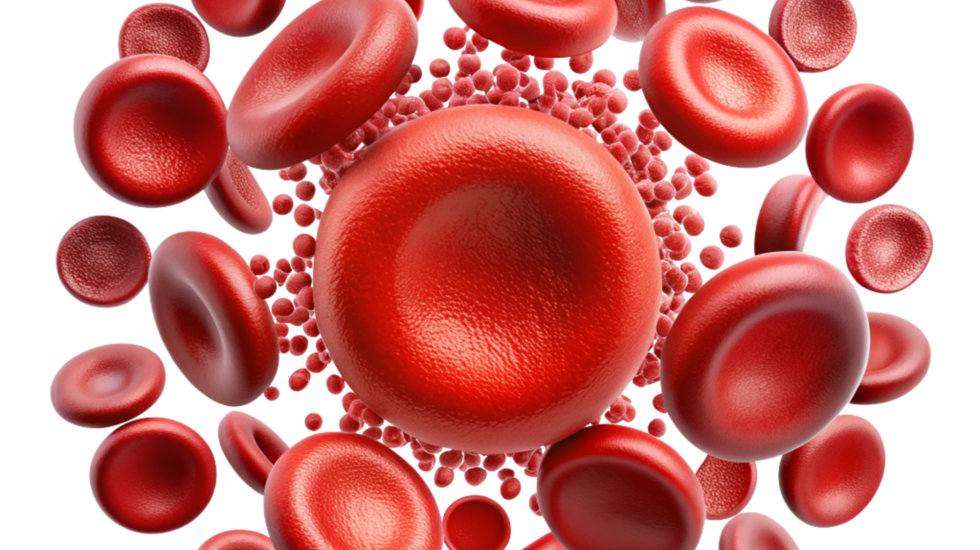
Haemoglobinopathies are a group of inherited blood disorders caused by abnormalities in hemoglobin—the protein responsible for carrying oxygen throughout the body. These conditions are more common than many realize, with an estimated 7% of the global population carrying a clinically significant hemoglobin variant. Among the most prevalent haemoglobinopathies are Sickle Cell Disease, Thalassemia, and various Hemoglobin Traits, each affecting blood function in unique ways and posing different levels of health risk.
One of the most well-known conditions, Sickle Cell Disease, leads to the production of abnormally shaped red blood cells. These sickle-shaped cells can obstruct blood flow, causing intense pain episodes, anemia, and long-term damage to vital organs. Similarly, Thalassemia affects hemoglobin production and can lead to severe anemia, requiring ongoing medical support. Since these disorders are inherited, individuals may carry gene mutations without showing any symptoms themselves—making early detection especially important.